Openness is on the march!
Read More...
Openness is on the march!
Read More...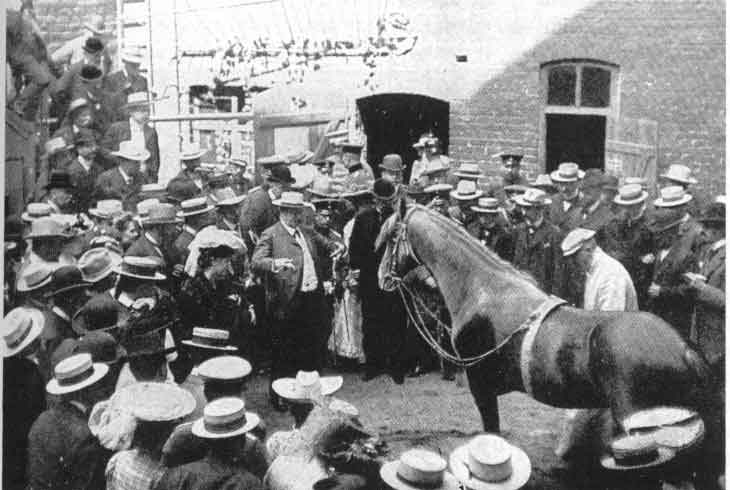
On November 13, 2014 I purchased the domain cleverhans.org because I decided that the world needed a digital version of Clever Hans.
Read More...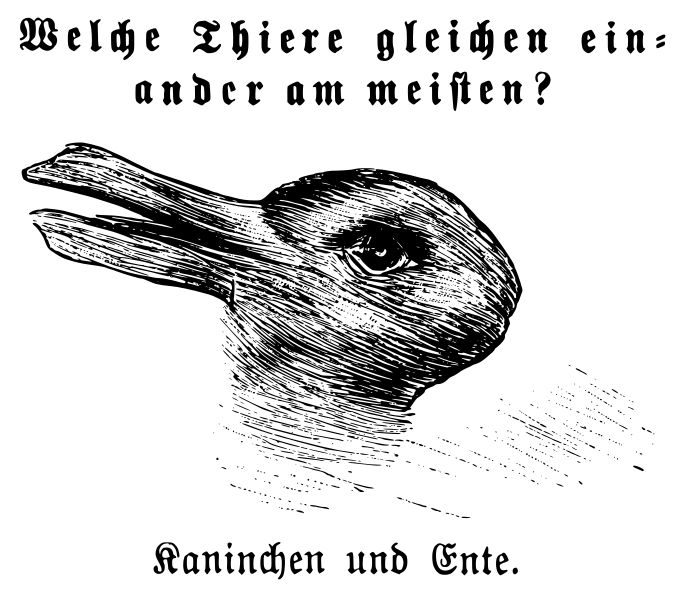
A recent kerfuffle around an open source software creator asking for their package not to be included in a larger project has turned into a kind of rabbit-duck illusion for the open source community. What does it mean when the creator of a software package uses their social power - but not their legal power - to try and influence user behavior? Are they violating the spirit of open source? Or simply making requests that acknowledge open source realities?
Read More...
This post originally appeared on the OSHWA blog
Read More...
As the open source world has grown, so have concerns about the context in which openly licensed items are used. While these concerns have existed since the beginning of the open source movement, today’s larger and more diverse movement has brought new urgency to them. In light of this revived interest within the community, the time may be ripe to begin encouraging experimentation with open source licensing again.
Read More...